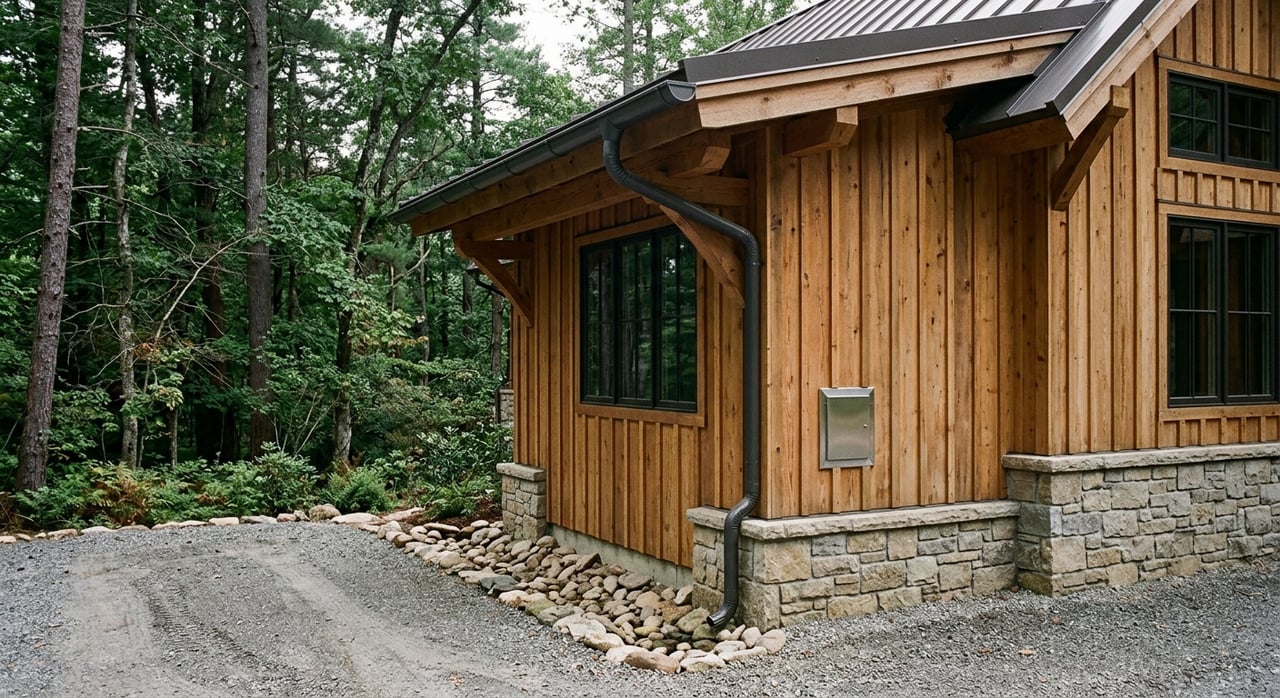
What Paris Texas Builders Should Know About Broken Bow Land
If you build in Paris, Texas, you already know a good project starts long before framing begins. When you look west toward ordinary residential development and north toward Broken Bow and Hochatown, the difference is clear: this is a tourism-driven cabin market where guest experience, access, and rental compliance can shape the success of the build. If you are exploring cabin development near Broken Bow, this guide will help you think through the key feasibility checks, design priorities, and public records to review before you buy or build. Let’s dive in.
Broken Bow and Hochatown are not typical rural housing markets. They are tied closely to year-round travel demand centered around Beavers Bend State Park, Broken Bow Lake, and the Mountain Fork River.
State tourism information highlights the scale of the draw: Beavers Bend State Park includes 47 cabins, 393 campsites, a 14,220-acre lake, and 180 miles of shoreline. The area is known for hiking, biking, boating, fishing, canoeing, horseback riding, and trout fishing, which supports steady visitor interest across seasons.
For you as a builder in Paris, that changes the way you should evaluate land. A lot is not just about acreage or price. It is also about how well the site can support parking, access, sleeping capacity, and outdoor features that fit a cabin guest’s expectations.
One of the biggest early mistakes is assuming all parcels near Broken Bow follow the same rules. They do not. A property may fall under Broken Bow city rules, Hochatown town rules, or McCurtain County records and tax administration.
Hochatown has its own zoning ordinance and planning process within its incorporated limits. The town’s Planning Commission reviews zoning requests, plats, site plans, and code compliance, and the town provides maps for subdivisions, town limits, county-owned public roads, and privately owned collector-road easements.
Broken Bow also maintains its own city limits map and permit process. That means your first due diligence step should be confirming exactly where the parcel sits before you assume what can be built and what approvals may apply.
Before you price a lot aggressively, pull the recorded deed, subdivision plat, easements, and any restrictive covenants from the McCurtain County Clerk. That office serves as the registrar of deeds and custodian of county land records.
This step matters because recorded documents can affect cabin placement, parking layout, driveway access, and even rental use. A beautiful tract can lose appeal quickly if an easement cuts through your ideal building area or if recorded restrictions limit what you planned to build.
You should also confirm assessed value and tax status with the McCurtain County Assessor. It is a simple but important screen that helps you verify the parcel’s current record profile before moving deeper into planning.
Maps are not just helpful. In this market, they are essential. Before you close, compare the parcel against Hochatown’s subdivision maps, town-limits maps, and road-easement maps, along with Broken Bow’s city-limits map if relevant.
This can help you spot whether access comes from a public road, whether there are private collector-road easements involved, and which local office will likely oversee permits or zoning review. These details can influence cost, timeline, and the way you design circulation on the site.
For a Paris-based builder working across state lines, this map review creates a cleaner path. It reduces guesswork and helps you underwrite a site with more confidence.
If your parcel falls in Broken Bow, permit review needs to start early. The city’s specific-use permit application requires a $500 fee, proof of ownership, a certified list of property owners and addresses within 300 feet from the county tax assessor, and a site plan showing buildings, parking, and related details.
Broken Bow’s building-permit application also states that work must conform to city codes and ordinances. It further notes that electrical, plumbing, HVAC, fence, sign, and driveway work must be performed by state-licensed and city-registered or bonded contractors where applicable.
For you, that means permit readiness is not just about the structure itself. Your site plan, contractor lineup, and property documentation all need to be part of the conversation early.
If the lot is in Hochatown, zoning and short-term rental compliance should be part of your initial underwriting. The town’s zoning ordinance requires a zoning permit before new structures, driveways, parking pads, or other changes of use.
Hochatown also makes clear that a short-term rental must be licensed before operation. The town operates an STR licensing and tax system, which shows that compliance is built into the business model rather than treated as a later administrative task.
The ordinance excerpt lists an initial STR registration fee of $300 and an annual renewal fee of $100 due by July 1. It also notes a $250 monthly late fee, a requirement to display the license near the main entry, and a 24/7 emergency contact.
That is important for builders because the exit strategy often depends on STR viability. If your buyer is an investor, they will care about whether the product is set up for licensing, operations, and guest readiness from day one.
Utility assumptions can derail a project budget fast. In Broken Bow, the Public Works Authority says the city’s raw water comes from Broken Bow Lake, and the city facts page lists electric service from Public Service Co. of Oklahoma and Broken Bow Electric, natural gas from Oklahoma Natural Gas, and telephone service from Pine Telephone.
The city also states its sewage system was operating at about 90% of capacity and remains under expansion. In Hochatown, the official emergency contact list identifies Rural Water District #5 and Choctaw Electric Cooperative, which is a reminder that utility service can vary from parcel to parcel.
For builders coming from Paris, the takeaway is simple: verify service lot by lot. Do not assume nearby development guarantees the same utility path for your tract.
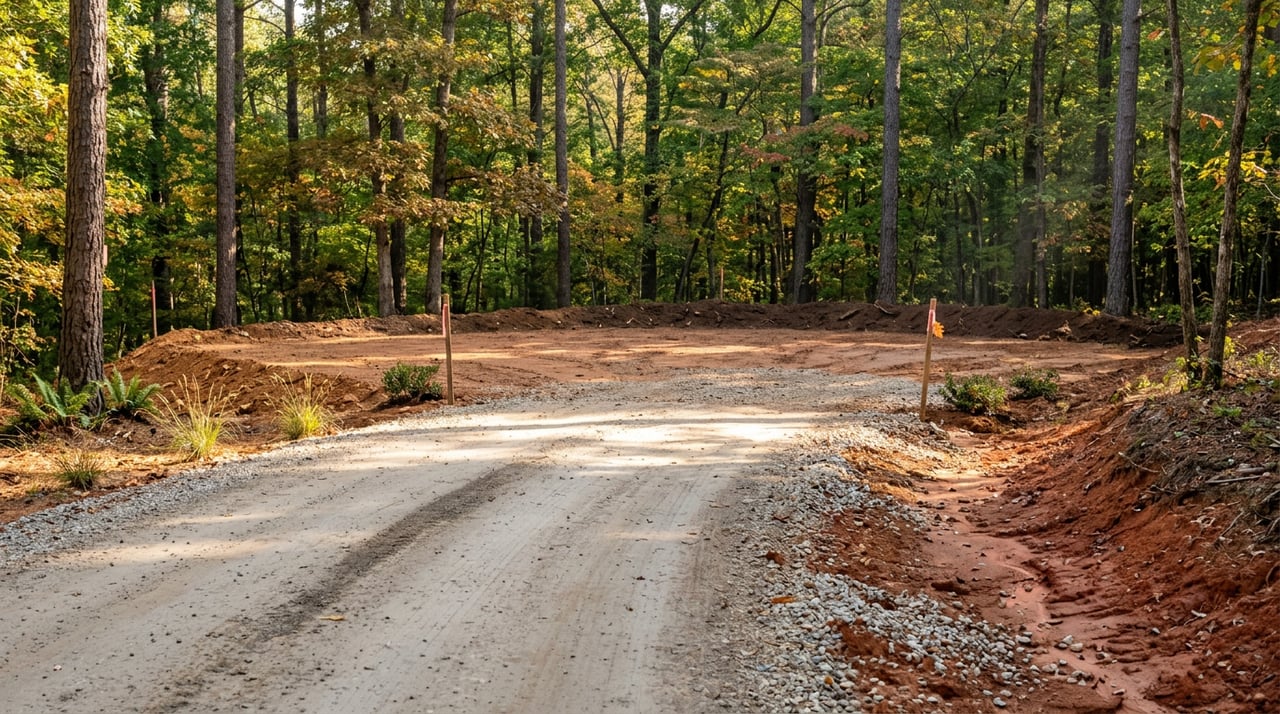
For many cabin projects, septic feasibility is one of the most important early checks. Oklahoma DEQ says a soil test must be performed before installing any subsurface septic system.
DEQ also states that before a new or modified on-site sewage system is installed, an Authorization to Construct must be purchased and issued. New installations or modifications must then be inspected and approved before the system is placed into operation.
The soil-profile guidance adds more practical detail. The test area should be on the same property, downhill from the proposed house, and set back from property lines, water lines and creeks, water wells, and public water-supply wells.
That means septic is not just a box to check. It can affect the cabin footprint, the number of structures, the parking plan, and the project schedule.
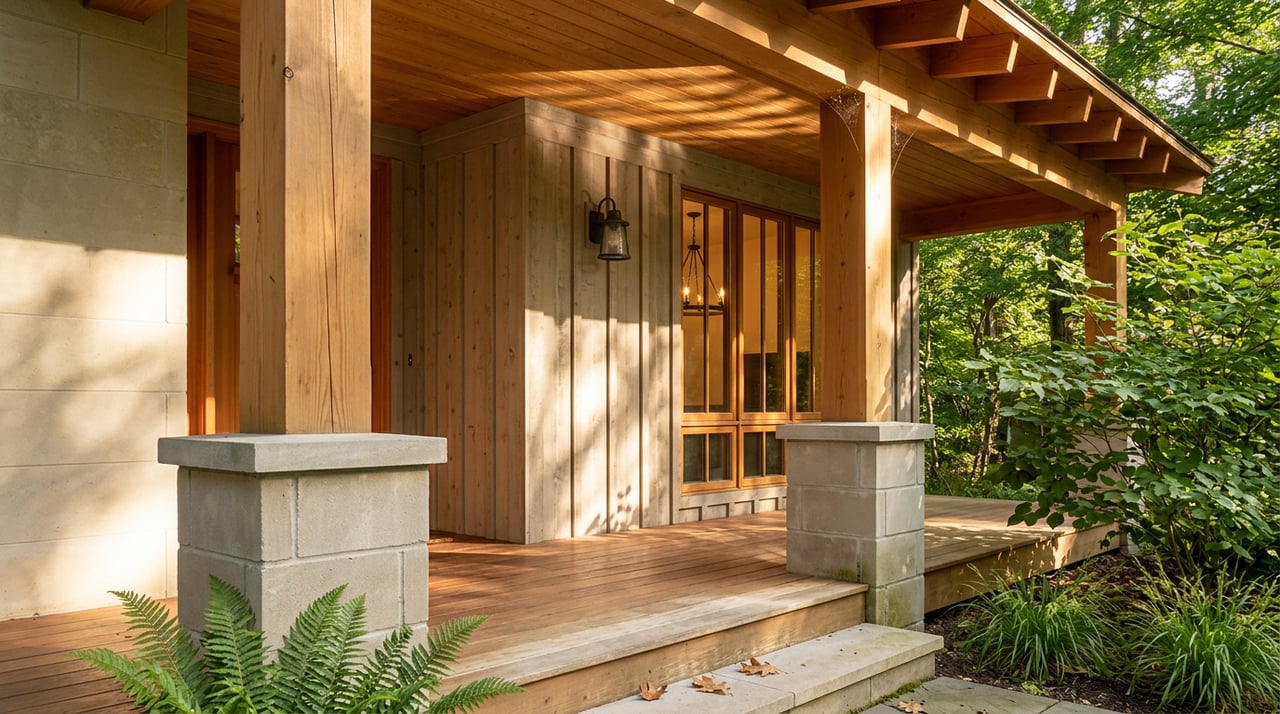
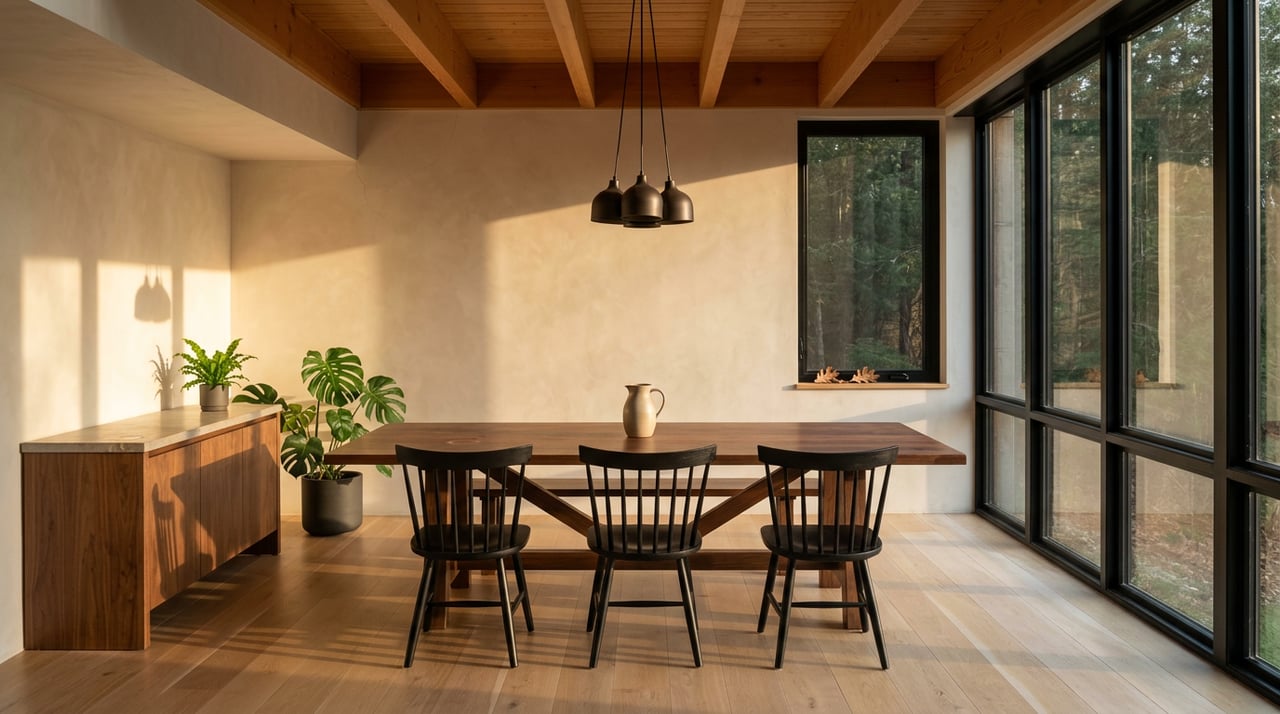
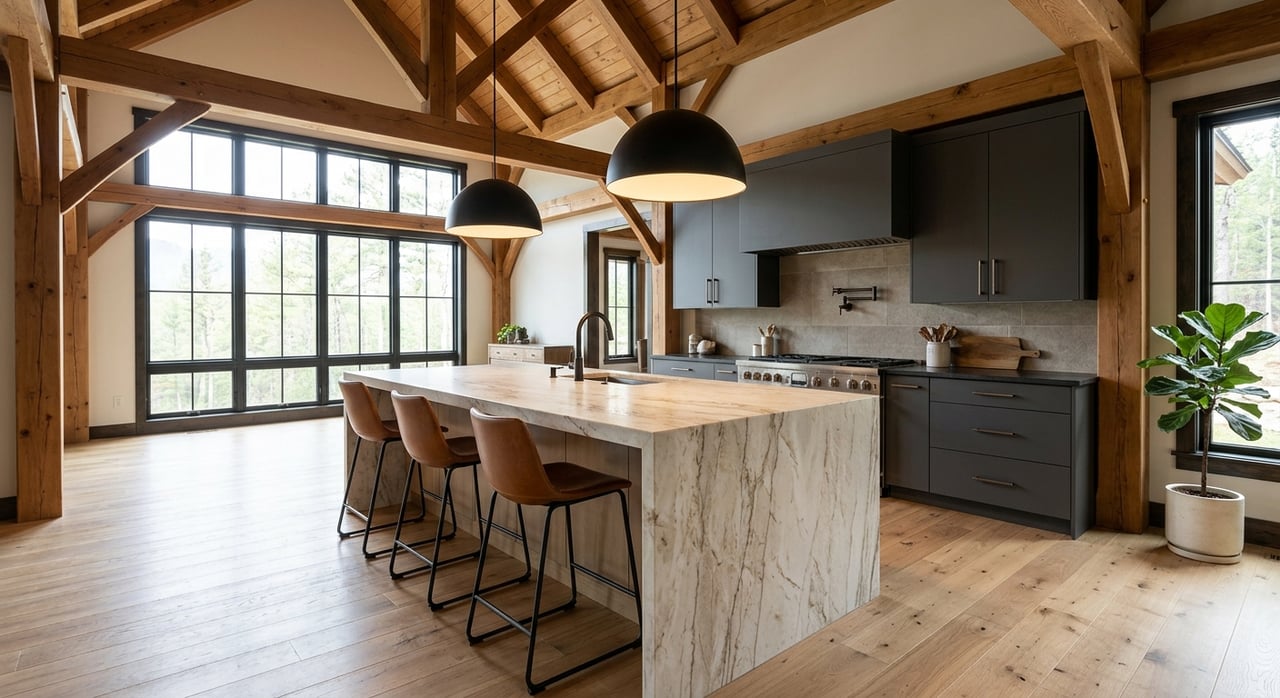
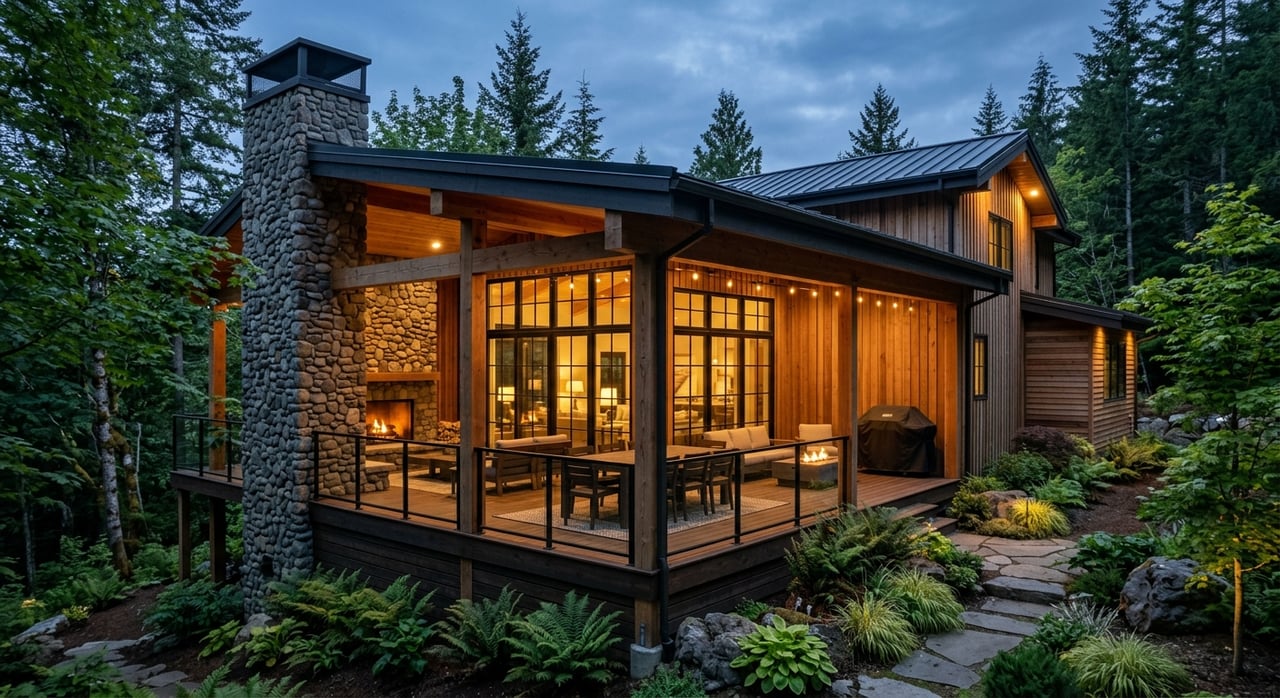
Because Broken Bow and Hochatown are tourism-led destinations, cabin design should reflect how guests actually use the property. Public tourism pages point toward a familiar amenity mix in the area, including indoor hot tubs, fireplaces, covered porches, outdoor kitchens, lake or river views, pet-friendly options, and accommodations that serve both couples and larger groups.
That does not mean every project should look the same. It does mean your design choices should support flexible sleeping arrangements, durable finishes, convenient circulation, and strong outdoor living spaces.
Parking and arrival experience also matter. Hochatown highlights walkability work along US-259 and road-improvement planning, while transportation updates continue along that corridor. For your site plan, guest circulation and safe access deserve the same attention as the cabin itself.
If you are a Paris builder comparing opportunities near Broken Bow, a repeatable workflow can save time and protect margins. Start with the public records and local maps before you commit to a land strategy.
A practical sequence looks like this:
This process helps you move from raw interest to real feasibility. It also gives you a stronger position when you model costs, timelines, and future resale appeal.
Cross-border builders from Paris often bring strong construction instincts to the Broken Bow area. What they need most is local clarity on parcel selection, zoning screens, STR positioning, and buyer expectations in a tourism-driven cabin market.
That is where specialized local guidance becomes valuable. When you are evaluating buildable lots, luxury cabin demand, or investor resale potential, market-specific knowledge can help you avoid preventable surprises and focus on sites with better long-term upside.
If you are exploring cabin development near Broken Bow and want help identifying buildable lots or understanding how a parcel fits the STR market, connect with Dawn Hibben. Her local insight into Broken Bow and Hochatown can help you evaluate land with the end buyer, the guest experience, and the development path in mind.
Stay up to date on the latest real estate trends.
Get assistance in determining current property value, crafting a competitive offer, writing and negotiating a contract, and much more. Contact her today.