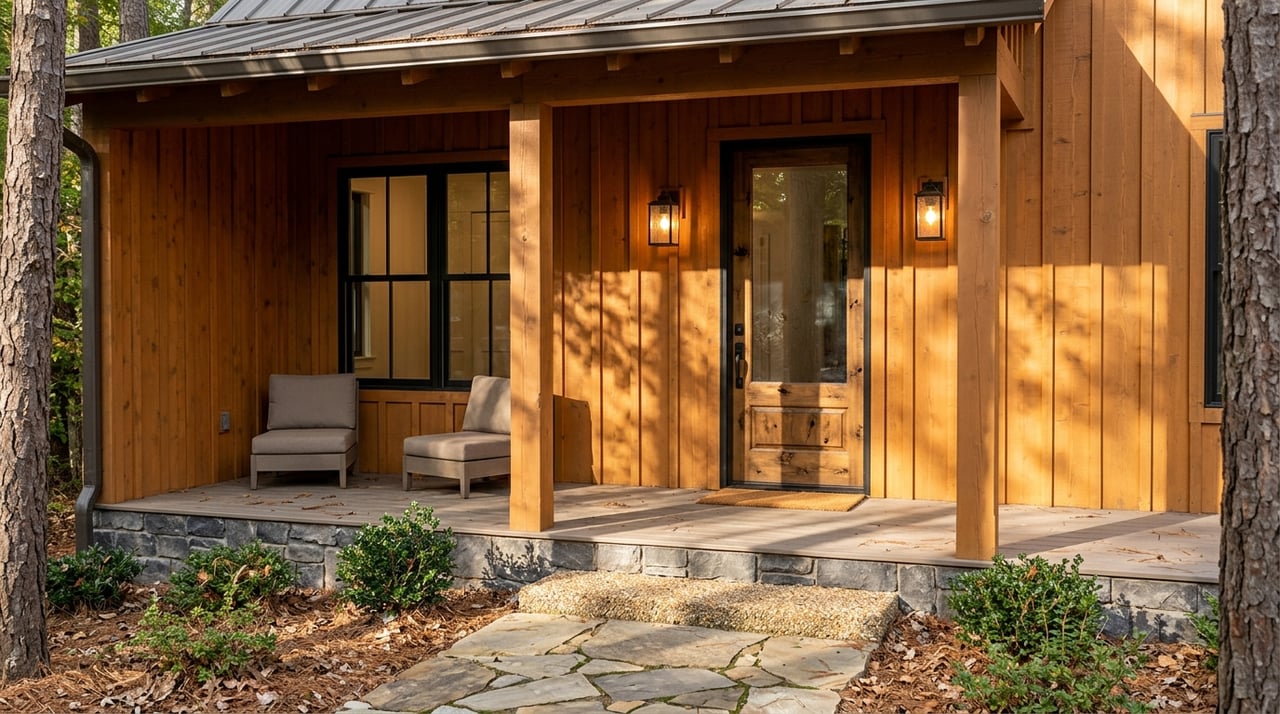
Texas 1031 Exchange Strategies for Broken Bow Cabins
If you own investment real estate in Texas, selling it can create a tax hit that cuts into your buying power. That is one reason many investors look at a 1031 exchange when they want to move equity into a Broken Bow cabin. If you are exploring how that process works, this guide will help you understand the basics, the deadlines, and the cabin-specific rules that matter most. Let’s dive in.
A 1031 exchange is a federal tax-deferral strategy for qualifying real estate. It is not a tax-free sale, and it does not apply to every property type or every use case.
Under IRS rules, Section 1031 applies only to real property held for investment or for productive use in a trade or business. Property held mainly for personal use, or property held primarily for sale, does not qualify. The IRS also notes that real estate is generally considered like-kind to other real estate, which is why an investor may be able to exchange a Texas rental property for an Oklahoma cabin if both properties meet the use requirements. You can review those rules in IRS Publication 544.
For many investors, the appeal of Broken Bow and Hochatown is tied to rental demand, not just personal enjoyment. The area sits near Beavers Bend State Park and Broken Bow Lake, and Oklahoma’s tourism resources describe it as one of the state’s most visited outdoor destinations.
That visitor traffic helps explain why cabins here often come up in 1031 conversations. According to an Oklahoma Department of Transportation project narrative, Hochatown can grow from about 250 residents to more than 30,000 visitors on weekends, holidays, and peak periods, while Beavers Bend State Park draws more than 2 million visitors each year. For investors, those numbers support the idea that a cabin may function as an income-producing asset rather than just a second home.
One of the most common misunderstandings is assuming that if both properties are real estate, the exchange automatically works. The like-kind standard is broad for real estate, but the use of the property still matters.
The IRS makes clear that a dwelling unit can qualify only when it is truly held for investment or business use. A cabin that is mainly enjoyed as a personal retreat is much harder to support as replacement property, even if you hope it will appreciate. The IRS addresses this directly in Revenue Procedure 2008-16.
Timing drives the entire exchange process. If you miss the deadlines, the exchange can fail.
According to the IRS instructions for Form 8824, you must:
The identification also needs to be in a signed written document that clearly describes the property, such as by street address or legal description. This is not a step to handle casually.
In a standard deferred exchange, a qualified intermediary is a core part of the structure. If you receive the sale proceeds directly, the transaction can become taxable or partially taxable.
The IRS explains in Publication 544 that the qualified intermediary must not be a disqualified person, must enter into a written exchange agreement, and must acquire and transfer the relinquished and replacement properties as part of the exchange. In practical terms, that means your exchange team needs to be in place before your Texas property closes.
Cabins require extra care because they can blur the line between investment property and vacation property. That is where the IRS safe harbor becomes especially important.
Under Revenue Procedure 2008-16, a dwelling unit may fall within the safe harbor if, during each of the two 12-month periods after the exchange:
This safe harbor is helpful because it fits how many short-term-rental cabins are operated. Still, it only addresses whether the property is treated as held for investment or business use. You still need to satisfy all the other Section 1031 rules.
Another issue investors sometimes overlook is that Section 1031 now applies only to real property. That matters in cabin transactions, especially if a deal includes furnishings or other non-real-property items.
The IRS states in Publication 544 that if you receive money or other non-like-kind property, some or all of the exchange may become taxable. So if you are buying a furnished cabin, your team should carefully separate the real estate component from items that may fall outside 1031 treatment.
Texas has no state income tax, but that does not mean your tax planning stops at the federal exchange. Once you own income-producing property in Oklahoma, Oklahoma rules may apply.
According to the Texas Comptroller’s overview of state taxes, Texas does not impose a state income tax. But Oklahoma requires nonresidents with $1,000 or more of Oklahoma-source gross income to file an Oklahoma income tax return, and Oklahoma-source income includes rents from Oklahoma real property and gains from the sale or exchange of Oklahoma real property.
For you, that means a 1031 exchange may defer federal gain, but it does not erase the need to understand Oklahoma filing obligations for cabin rental income.
If you plan to rent your Broken Bow cabin on a short-stay basis, lodging tax is another item to review early. This is separate from the federal exchange itself, but it is part of owning and operating a short-term rental.
The Oklahoma Tax Commission says vendors responsible for collecting lodging tax must file a lodging tax return, and the return is due by the 20th day of the month following the reporting period. The instructions also state that a return must be filed even if no tax is due. You can see that in the Oklahoma lodging tax instructions.
The current Oklahoma Tax Commission rate chart lists Broken Bow at 5% lodging tax effective January 1, 2026. Because tax setup can vary by property address and rental model, it is wise to confirm the current requirements using the Oklahoma rate chart and your tax professionals.
A strong exchange usually depends on planning before the sale closes, not after. The most common errors are simple, but expensive.
Here are a few pitfalls to watch for:
The IRS also requires the exchange to be reported on Form 8824 with your tax return for the year of the exchange. The Form 8824 instructions explain that basis generally carries over to the replacement property, with adjustments for cash paid, liabilities, or any gain recognized.
A 1031 exchange is both market-driven and deadline-driven. You need the right replacement property, but you also need clean coordination across the purchase timeline.
That is where local market guidance matters. In Broken Bow and Hochatown, Dawn Hibben can help you evaluate cabins through an investor lens, keep the purchase process moving, and coordinate timing with your qualified intermediary, CPA, and attorney. If you are considering a 1031 into a Broken Bow cabin, scheduling a consultation can help you move from general interest to a more workable plan.
Stay up to date on the latest real estate trends.




Get assistance in determining current property value, crafting a competitive offer, writing and negotiating a contract, and much more. Contact her today.