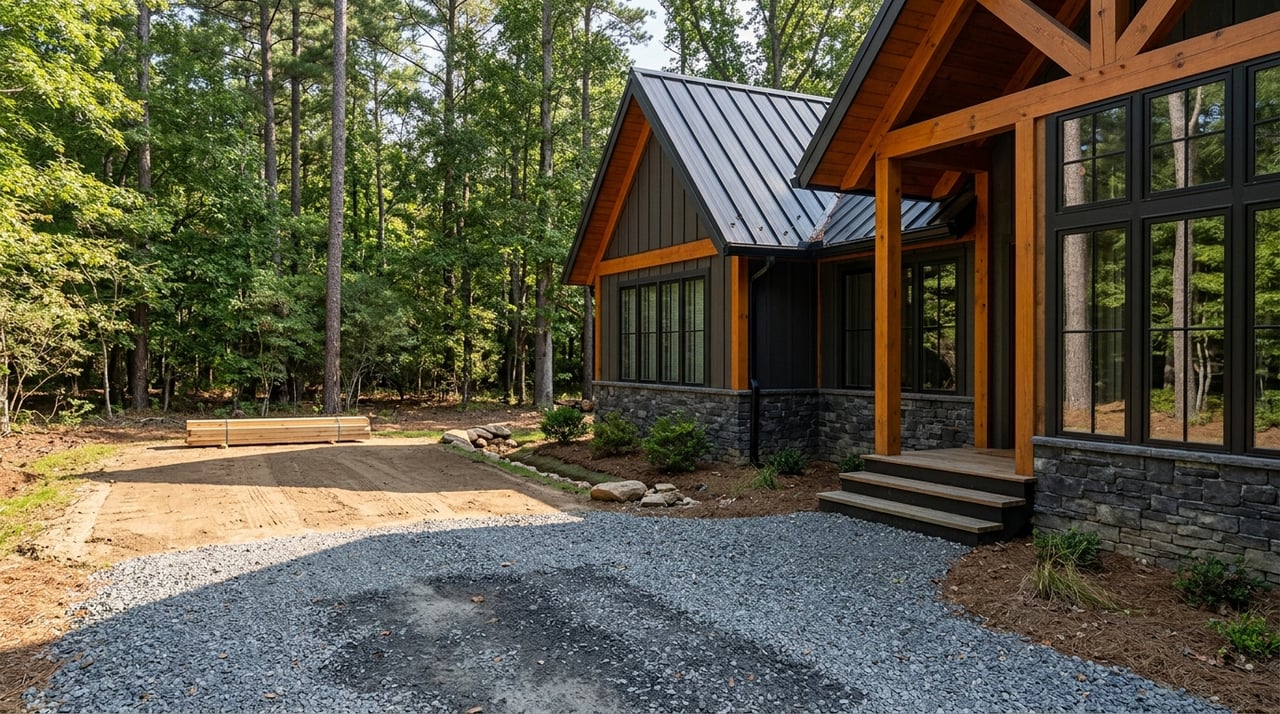
Antlers Land And Cabin Development Guide For STR Builders
If you are eyeing Antlers for a short-term rental build, the biggest question is not whether people come to this part of southeast Oklahoma. It is whether your project fits the market that is already here. For builders and land buyers, that distinction matters because Antlers looks more like an outdoors-driven getaway base than a dense resort corridor. In this guide, you will learn where Antlers stands, what kinds of cabin projects make the most sense, and what to check before you buy or build. Let’s dive in.
Antlers sits in Choctaw Country, a region the state tourism site promotes for weekend travel, state parks, and large stretches of wildlife habitat. Antlers itself is marketed around wildlife, cabin-style lodging, and rural experiences rather than urban entertainment. That gives you an early clue about what visitors may expect when they book a stay here.
The setting also supports a very different investment story from a bigger tourism hub. Pushmataha County had 10,812 residents in the 2020 Census, with a July 2025 estimate of 10,807, and only 7.7 people per square mile. In practical terms, that points you toward destination demand and experience-based lodging instead of relying on a broad local renter base.
That can be a good thing if you plan around it.
Broken Bow and Hochatown have a deeper tourism ecosystem, more built-out lodging, and stronger resort-scale infrastructure. State travel sources describe Broken Bow as a year-round destination tied to Beavers Bend State Park, and the park alone offers 47 cabins, 393 campsites, and a lodge. Public listings in that area also show larger group cabins that can host up to 25 guests.
Antlers presents a different profile. The visible lodging mix is more modest and more experiential, with examples like Rebel Hill Guest Ranch and Antlers RV Park. Based on the smaller inventory, the lower-density county profile, and the stronger outdoors-first identity, Antlers is better viewed as a complementary alternative to denser cabin markets, not a direct copy of them.
Outdoor recreation is the clearest demand driver. The Oklahoma Department of Wildlife Conservation says Pushmataha Wildlife Management Area covers 19,236 acres and is tied to deer, elk, hunting, primitive camping, and habitat management. That kind of draw can support cabin stays built around access, quiet, and a strong nature-focused brand.
The broader corridor adds more reasons for travelers to stay overnight. Clayton Lake State Park offers RV sites, tent sites, primitive cabins, a family cabin, and activities like fishing, boating, and hiking. Seasonal scenery also matters here, with local tourism materials pointing to fall foliage and spring dogwood tours as recurring visitor themes.
Antlers also has a simple, memorable identity. Travel Oklahoma markets it as the Deer Capital of the World and ties it to the Wildlife Heritage Center Museum. For a builder, that means cabin concepts that lean into wildlife, woods, ranch, or lodge themes can feel locally grounded instead of forced.
Road access is one of Antlers’ practical strengths. US-271 runs through Antlers and continues from the Arkansas line to the Texas state line, and Antlers is also identified at the junction of Highway 271 and Highways 3 and 7. That makes the town easy to explain to road-trip guests and weekend travelers.
For builders, easy-to-understand access can help with both marketing and guest usability. A market does not need to be huge if it is simple to reach and easy to position as a base camp. In Antlers, that base-camp angle may be one of the more useful ways to think about site selection and project branding.
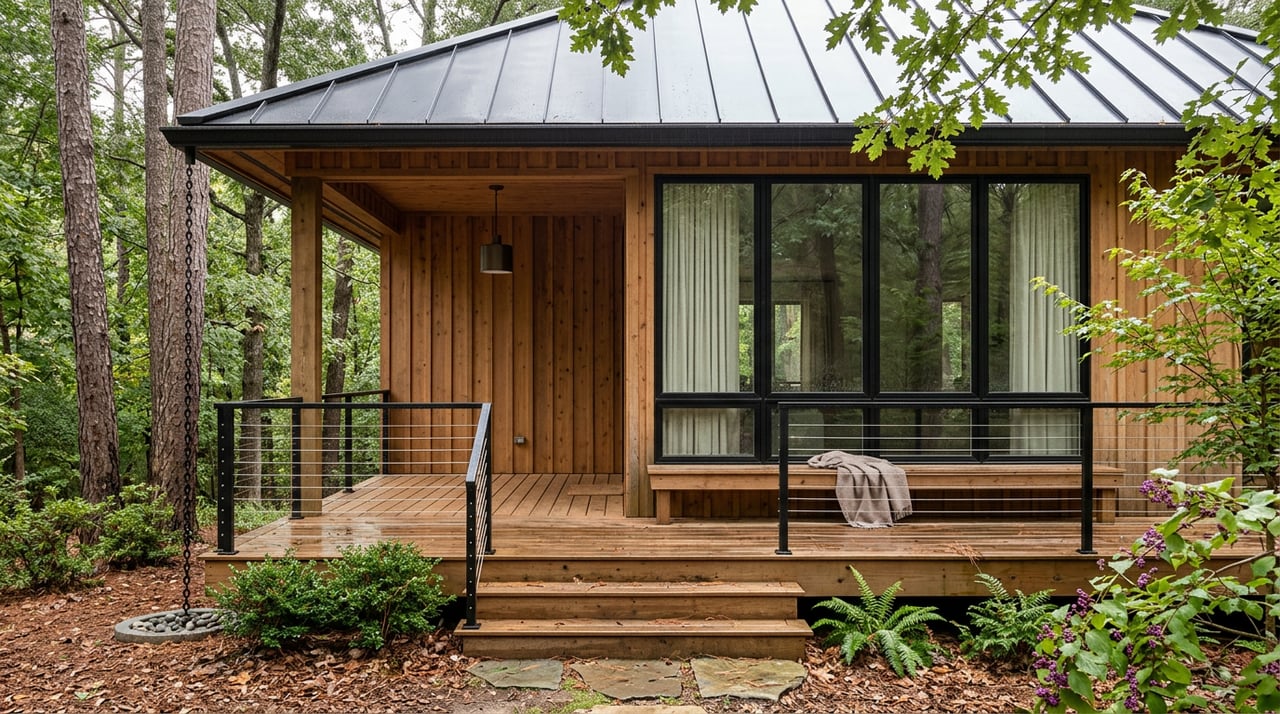
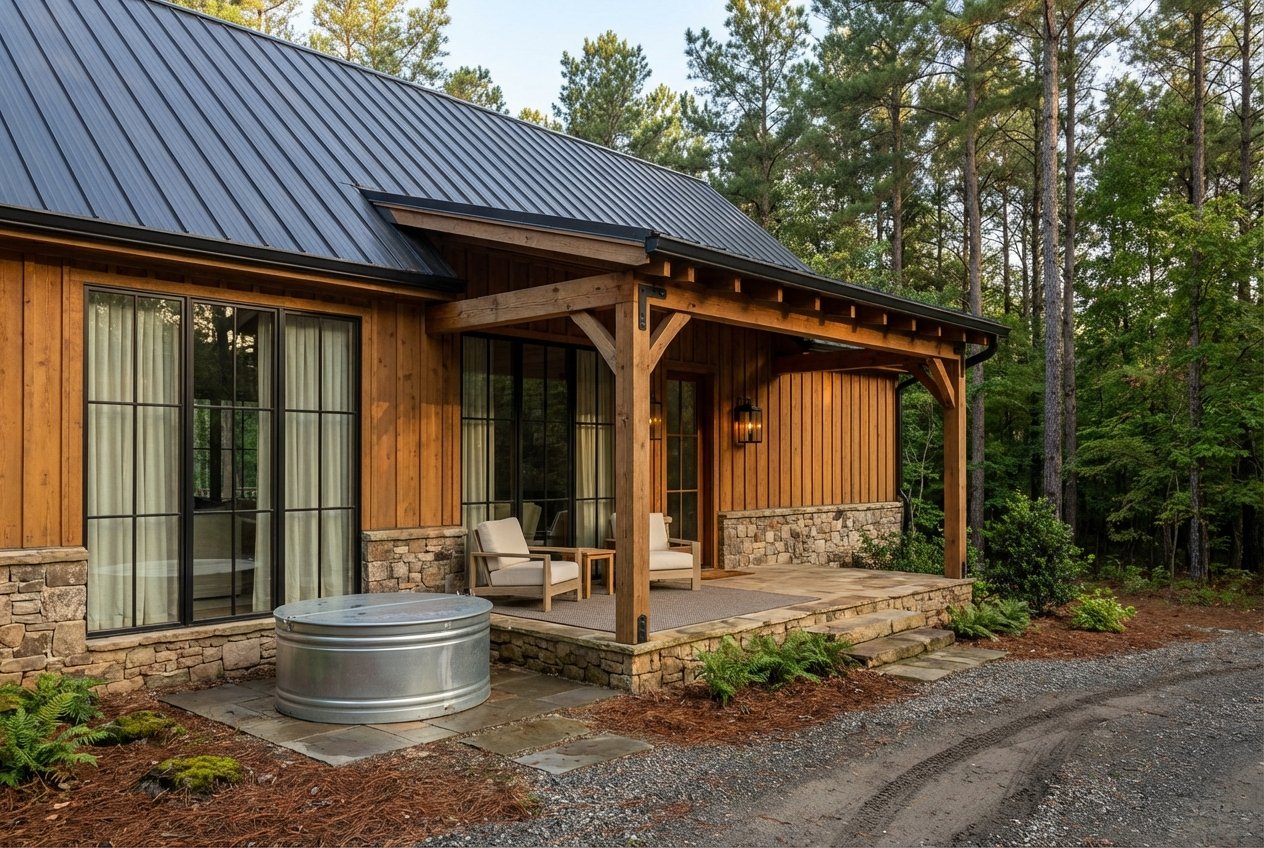
This is the most natural fit based on the current market signals. Existing lodging examples in and around the area lean toward smaller cabin formats rather than large-scale resort inventory. Rebel Hill Guest Ranch, for example, offers one- to three-bedroom cabins, and Clayton Lake State Park also shows a smaller, family-oriented cabin mix.
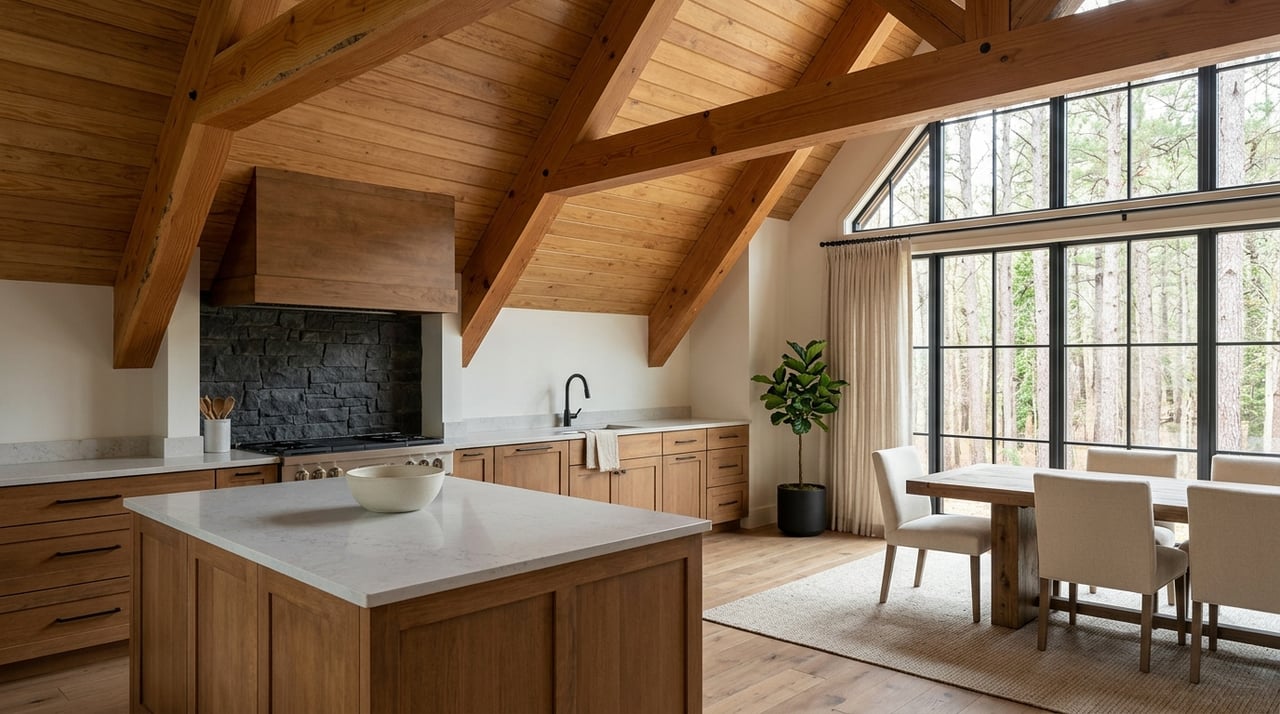
If you are choosing between a compact build plan and a large, amenity-heavy concept, the simpler plan may be better aligned with local demand. Small cabins are often easier to theme, easier to place on varied lots, and easier to position around privacy and nature. In a market like Antlers, fit matters more than trying to outbuild a different destination.
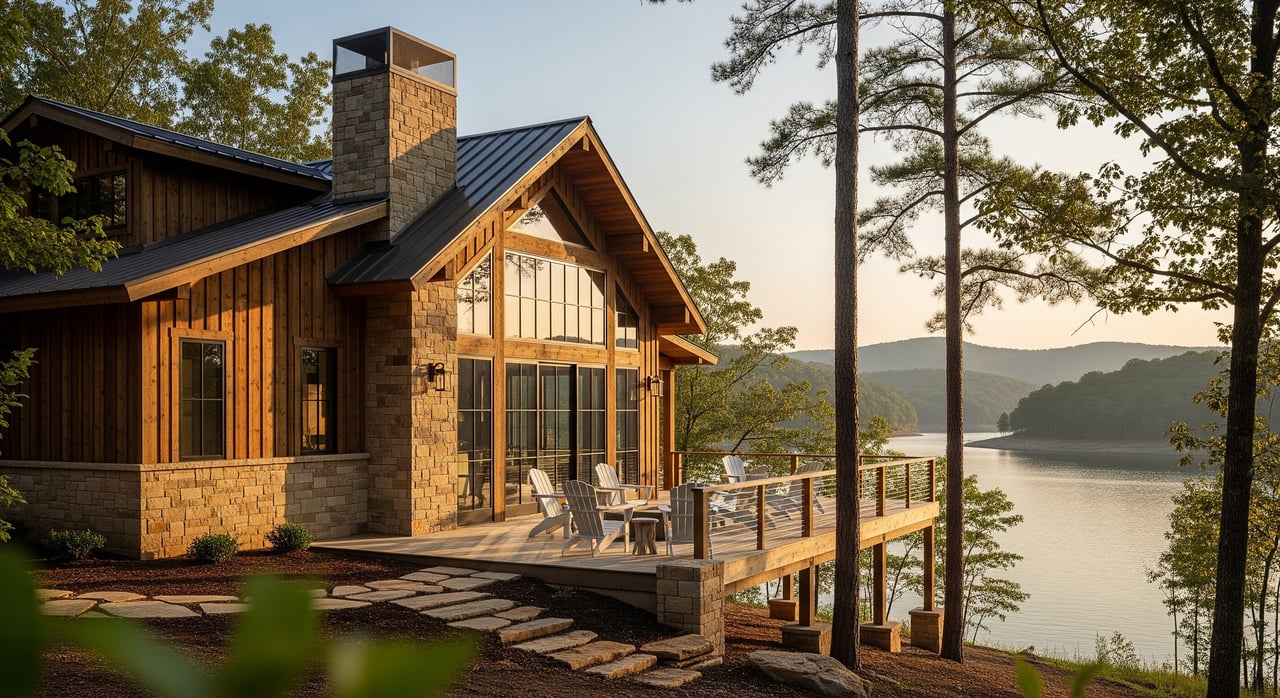
A second strong option is a lodge-style project or a small compound with a clear activity story. In Antlers, the strongest differentiators appear to be horse and ranch activities, wildlife viewing, fishing access, and a quiet wooded setting. Those are the kinds of features that can make a stay feel memorable without needing a resort-scale amenity package.
Local examples support this direction. Rebel Hill Guest Ranch highlights horseback riding, fishing, paddle boating, hiking, and a wildlife park. That suggests the market responds well to places that offer a setting and an experience, not just a building with beds.
This niche could help support shoulder-season demand. With Pushmataha Wildlife Management Area and the broader recreation network nearby, Antlers has a logical case for hunting- or fishing-oriented lodging. Seasonal travel tied to foliage and spring blooms may also help widen demand outside peak summer weekends.
For builders, that can shape both design and operations. A practical cabin layout, gear-friendly storage, easy parking, and an outdoor-focused brand may fit this market better than a highly stylized luxury concept with little connection to the local draw. The goal is not to be generic. It is to be relevant.
A large resort-style development looks less natural here based on the available evidence. Broken Bow and Hochatown already have the deeper cabin inventory, state park infrastructure, and broader tourism ecosystem that support larger, amenity-rich projects. Antlers does not appear to be competing on that same scale.
That does not mean you cannot build something impressive. It means your best odds may come from a modest-scale project with a clear identity, strong site selection, and a guest experience that feels rooted in the land. In Antlers, restraint may be a strength.
Before you close on land, confirm how your intended use fits the site and the local process. Antlers is not a build-anything, ask-later environment. The city says its Planning Committee manages zoning codes, and the Code Enforcement office handles construction permits and building inspections.
At the state level, Oklahoma’s Uniform Building Code Commission has adopted major model codes by reference. That means builders should verify the permit path, use classification, and code expectations early in the process. This is especially important if you are planning multiple cabins, a lodge-style layout, or anything that may be treated differently from a single detached structure.
A few early questions can save time and money:
The strongest Antlers projects will likely be easy to understand and easy to remember. Guests are not booking this area for dense entertainment districts or a packed resort scene. They are more likely booking for quiet, scenery, wildlife, recreation, and a slower pace.
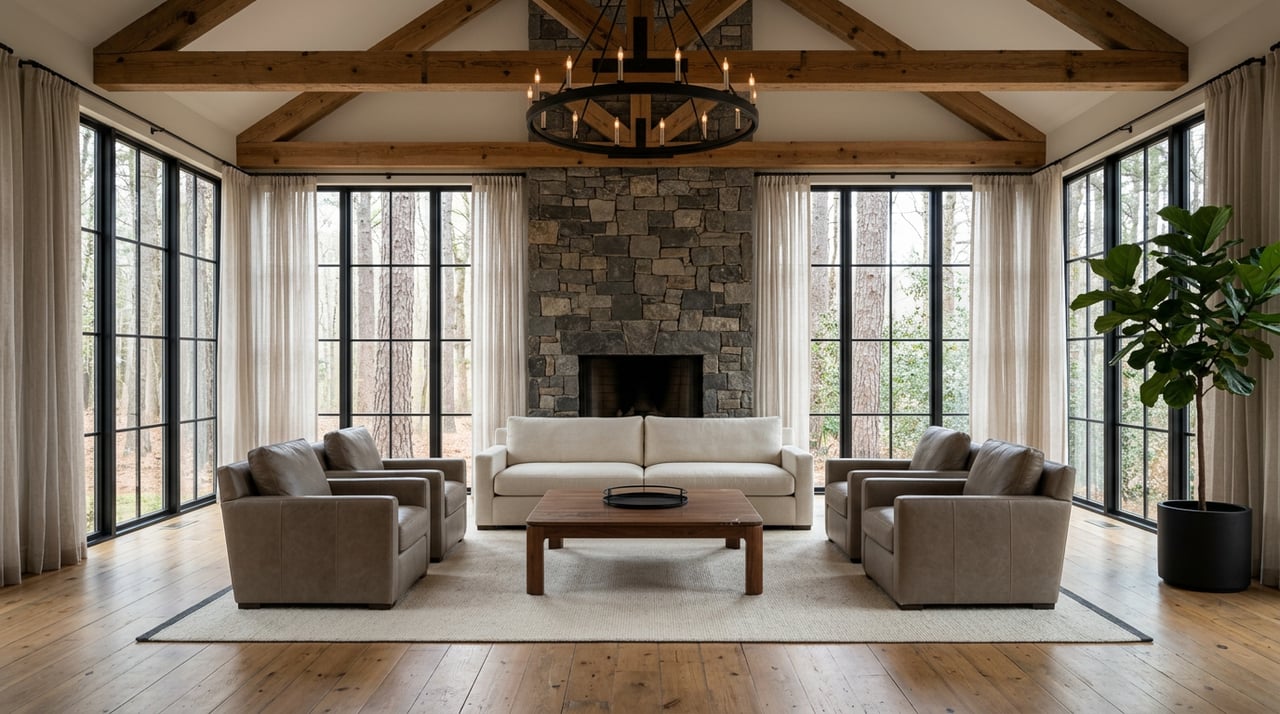
That should shape the way you think about your build from the start. A good Antlers project often needs a strong story as much as a good floor plan. Cabin, ranch, hunting lodge, woods retreat, and base-camp positioning all fit more naturally than a copy-and-paste version of a larger destination market.
You may also want to think in terms of quality over quantity. A smaller number of well-placed cabins with a clear guest identity may have a more convincing market fit than a larger cluster with no distinct reason to choose it. In a lower-density market, clarity can be a real asset.
Antlers offers a real case for STR-oriented land and cabin development, but the opportunity is specific. The area’s draw comes from wildlife, outdoor recreation, scenic travel, and road access, not from resort-scale density or a massive existing lodging base. That makes Antlers most compelling for builders who want a differentiated, modest-scale project with an outdoors-first identity.
If you are evaluating lots, comparing concepts, or trying to decide whether Antlers fits your development goals, local market interpretation matters. The right project here is usually not the biggest one. It is the one that matches what travelers already come here to experience.
If you want help identifying buildable opportunities in the southeast Oklahoma tourism corridor and thinking through the market fit for cabin or STR development, connect with Dawn Hibben to schedule a consultation.
Stay up to date on the latest real estate trends.
Get assistance in determining current property value, crafting a competitive offer, writing and negotiating a contract, and much more. Contact her today.