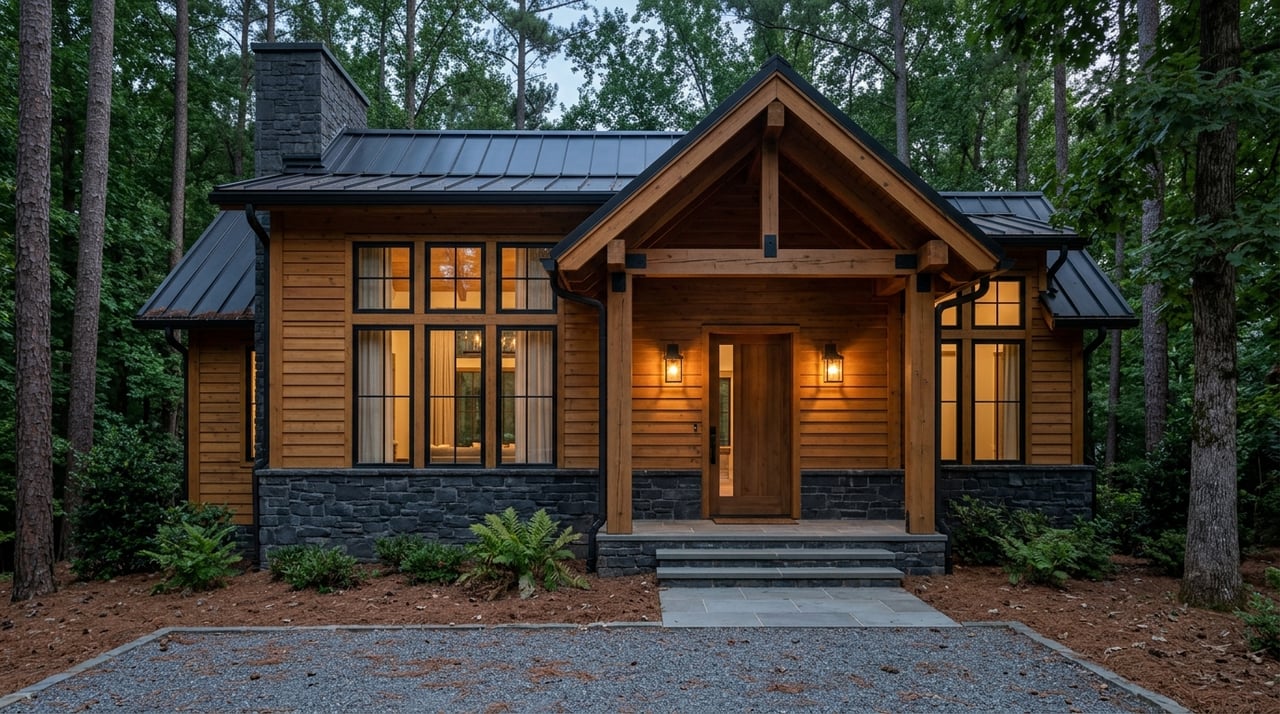
DFW Investor Guide To Buying Broken Bow Cabins
Thinking about buying a Broken Bow cabin from DFW? You are not alone. For many Dallas-area investors, Broken Bow stands out because it is an easy drive from Dallas/Fort Worth and offers a vacation-focused market built around Broken Bow Lake, Beavers Bend State Park, the Lower Mountain Fork River, and the broader Hochatown tourism scene. If you want to understand what makes this market different, what numbers to watch, and where buyers can get tripped up, this guide will help you start with a smarter plan. Let’s dive in.
For Dallas buyers, location matters, but so does type of demand. Broken Bow is about 171 miles from Dallas, which helps support a drive-to leisure market instead of a commuter rental market. That difference shapes everything from the kind of property that performs well to how you should underwrite income.
The area’s draw is easy to understand. Broken Bow Lake is a 22-mile, 14,000-acre recreation asset, and Beavers Bend State Park adds year-round outdoor appeal along with visitor services like a restaurant, grocery, gift shop, and amphitheater. That steady tourism base supports cabins aimed at weekend getaways, family trips, and group stays.
If you are investing from DFW, it helps to think like your future guest. Public market data shows that 99.7% of active supply is entire-home inventory, which points to a market centered on private cabin stays rather than shared or apartment-style lodging. The average booking lead time is about 49 days, which suggests guests often plan in advance for vacations, reunions, and special trips.
That means your investment thesis should focus less on long-term rental patterns and more on presentation, amenities, and operational readiness. In Broken Bow, the guest experience often has a direct effect on pricing power.
One of the biggest mistakes DFW investors make is treating all Broken Bow area cabins the same. In reality, Broken Bow city, Hochatown, and surrounding county areas can have different zoning, licensing, and lodging-tax treatment. Before you focus on the listing photos, you need to confirm how the specific parcel is regulated.
Within Broken Bow city limits, the city code defines a short-term rental as a rental for fewer than 30 consecutive nights. The code states that short-term rentals are permitted only in Commercial C-5 Highway Commercial and Commercial Recreation districts, with a grandfather exception for certain existing hotel or motel uses.
That is a major due diligence point. If you are buying with STR income in mind, you should confirm the parcel’s zoning and use status early in the process.
In Hochatown, operators must obtain a short-term rental license before operating. The town requires a $300 initial registration fee and a $100 annual renewal fee due by July 1. If registration or renewal is late, the ordinance allows for a $250-per-month late fee.
The ordinance also says self-certification is available only when the operator is current on lodging taxes and attests that there are no known building or fire code violations. For an investor, that makes clean compliance history part of the asset review.
Taxes are also location-specific. The Oklahoma Tax Commission’s county lodging-tax instructions state that county lodging tax applies only in counties that have adopted it, but if a city within the county has a city lodging tax, the county lodging tax does not apply. Returns are due by the 20th day of the following month, and late filings can trigger interest and penalty.
Broken Bow’s city materials also show a 5% room surcharge on occupied rooms. McCurtain County materials note that lodging-tax proceeds are allocated in part to tourism funding, which is another reminder that these taxes are not optional line items. They are part of the operating structure of the market.
A cabin in this market is not just a place to stay. It is a vacation product. That means buyers from Dallas should pay close attention to layout, amenity mix, and the type of guest the property is built to serve.
Public data from AirROI estimates average annual revenue in Broken Bow at $55,213, with 36.5% occupancy, a $446 average daily rate, and $171 RevPAR. It also shows roughly 2,795 active listings, which tells you competition is real and that guests have choices.
Seasonality is important too. December is identified as the strongest revenue month, while February is the weakest. If you are modeling flat monthly income, you are likely understating risk.
One of the clearest patterns in Broken Bow is how revenue scales with size. AirROI’s April 2026 public data shows:
Occupancy stays in a fairly narrow range of about 37% to 38% across these categories. That suggests larger cabins often earn more through higher nightly rates rather than dramatically better occupancy.
For many investors, a 4-bedroom cabin can be a practical middle ground. It can appeal to families and groups while avoiding some of the cost and complexity that can come with the largest properties.
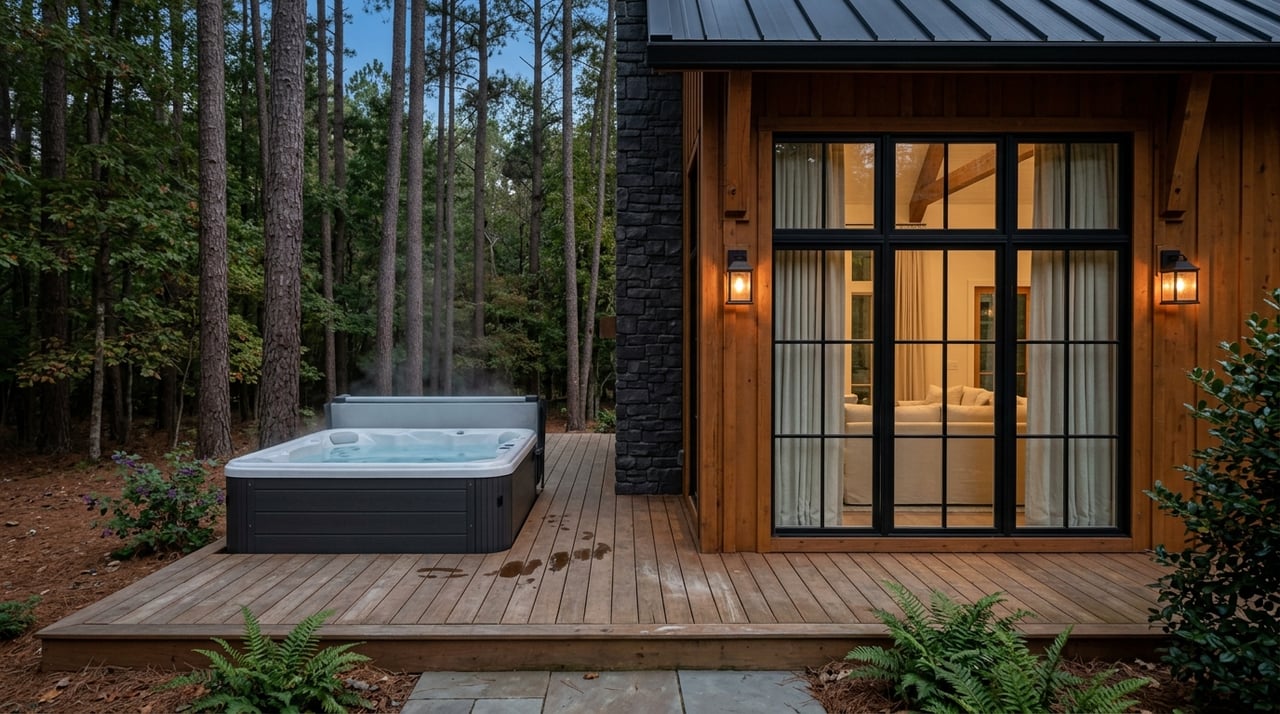
In Broken Bow, amenities often support both revenue and guest appeal. Public listings in the market commonly highlight hot tubs, heated or private pools, game rooms, pool tables, pickleball courts, outdoor kitchens, fire pits, grills, pet-friendly setups, and large-sleeps layouts.
Travel and listing sources for the area also commonly feature hot tubs, outdoor grills, decks, fireplaces, laundry, and proximity to Beavers Bend State Park and Broken Bow Lake. AirROI’s amenity-filtered data associates hot tubs with about a 7.9% annual revenue premium in this market.
That does not mean every amenity pays off equally on every property. It does mean your purchase decision should account for how well the cabin matches what guests already expect in the area.
If you are comparing Broken Bow cabins from Dallas, it helps to build your numbers in layers. A simple three-case approach can keep you grounded.
Use market-average performance as your baseline. This is the scenario that helps you test whether the deal still makes sense if the property performs more like the broader market than the best listings.
This is where many well-positioned 4-bedroom cabins may fit. If the property has a strong layout, solid amenity package, and professional presentation, it may justify a stronger revenue assumption than the overall average.
Reserve this case for larger cabins or properties with premium amenity packages that clearly align with group demand. The goal is not to be overly optimistic. The goal is to understand the range of possible performance and what has to go right to reach the top end.
High headline revenue can be exciting, but investors should underwrite the full operating picture. Expense modeling should include:
In Hochatown, that also means accounting for the STR registration fee, annual renewal fee, possible late fees, and ongoing tax remittance. Public profitability examples in the market reinforce a simple truth: gross revenue is not the same as net income.
As a DFW buyer, you also need a realistic plan for operations. Management can be self-directed, delegated to a local STR manager, or handled through a hybrid co-hosting approach.
The market already includes properties run by third-party hosts and vacation-rental firms, so the issue is not whether support exists. The real question is which model best matches the cabin’s size, amenity level, and target guest profile.
A smaller, simpler cabin may support one operating structure, while a high-amenity luxury lodge may need a more hands-on local team. Either way, your management plan should be part of your acquisition decision, not an afterthought.
Before you move forward on a Broken Bow cabin, make sure you can answer these questions clearly:
These questions can help you separate a promising investment from a property that only looks good on a listing sheet.
Buying from Dallas into a tourism-driven Oklahoma market takes more than a quick revenue estimate. You need local insight on parcel-level rules, realistic pricing, amenity expectations, and how buyers and guests view different cabin types.
That is especially true in a market where city rules, town licensing, and tax treatment can vary by location. A polished listing may get your attention, but due diligence is what protects your downside.
If you are exploring a Broken Bow or Hochatown cabin purchase and want a clear, data-informed strategy, Dawn Hibben can help you evaluate luxury cabins, STR investment properties, and buildable opportunities with local market perspective and transaction-focused guidance.
Stay up to date on the latest real estate trends.
Get assistance in determining current property value, crafting a competitive offer, writing and negotiating a contract, and much more. Contact her today.