Thinking about rolling your Arkansas sale into a high-performing cabin near Broken Bow Lake and Beavers Bend State Park? You are not alone. Arkansas City investors are looking across the state line for strong short-term rental demand, lifestyle appeal, and potential tax deferral through a 1031 exchange. In this guide, you will learn the timelines you must hit, the due diligence to gather, and the cross-state steps that keep your exchange on track. Let’s dive in.
Why Broken Bow cabins appeal to Arkansas investors
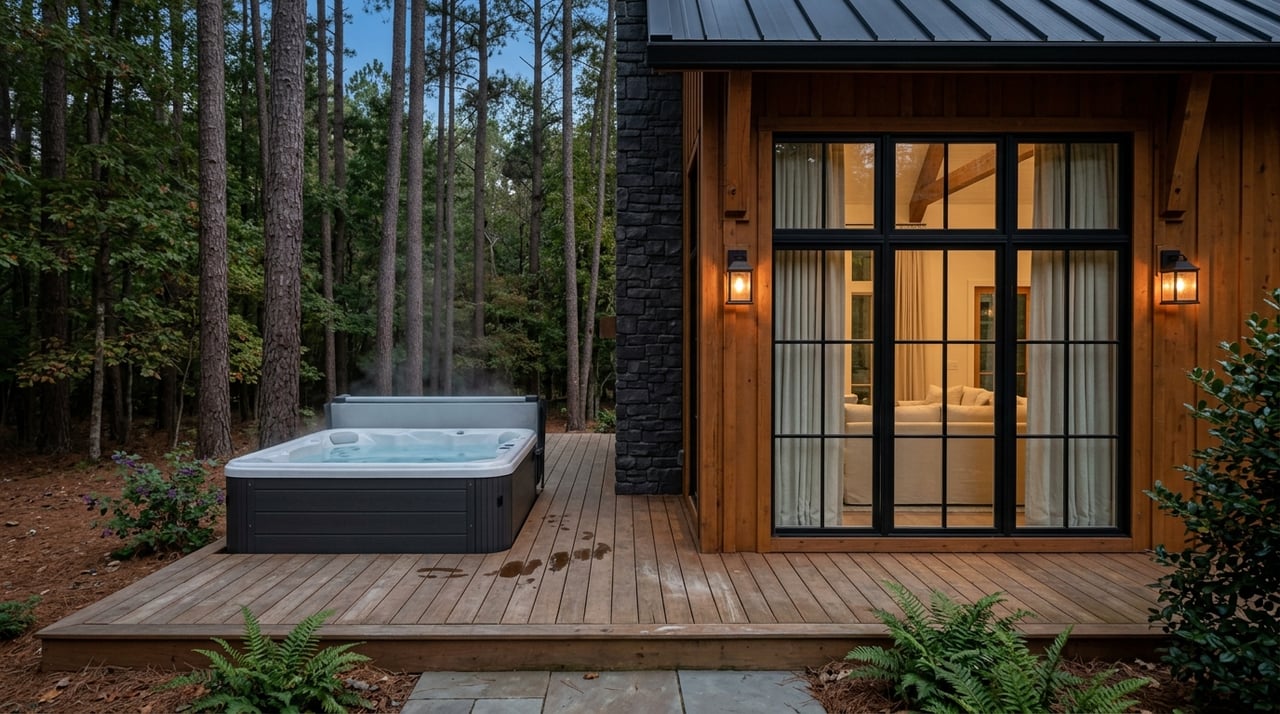
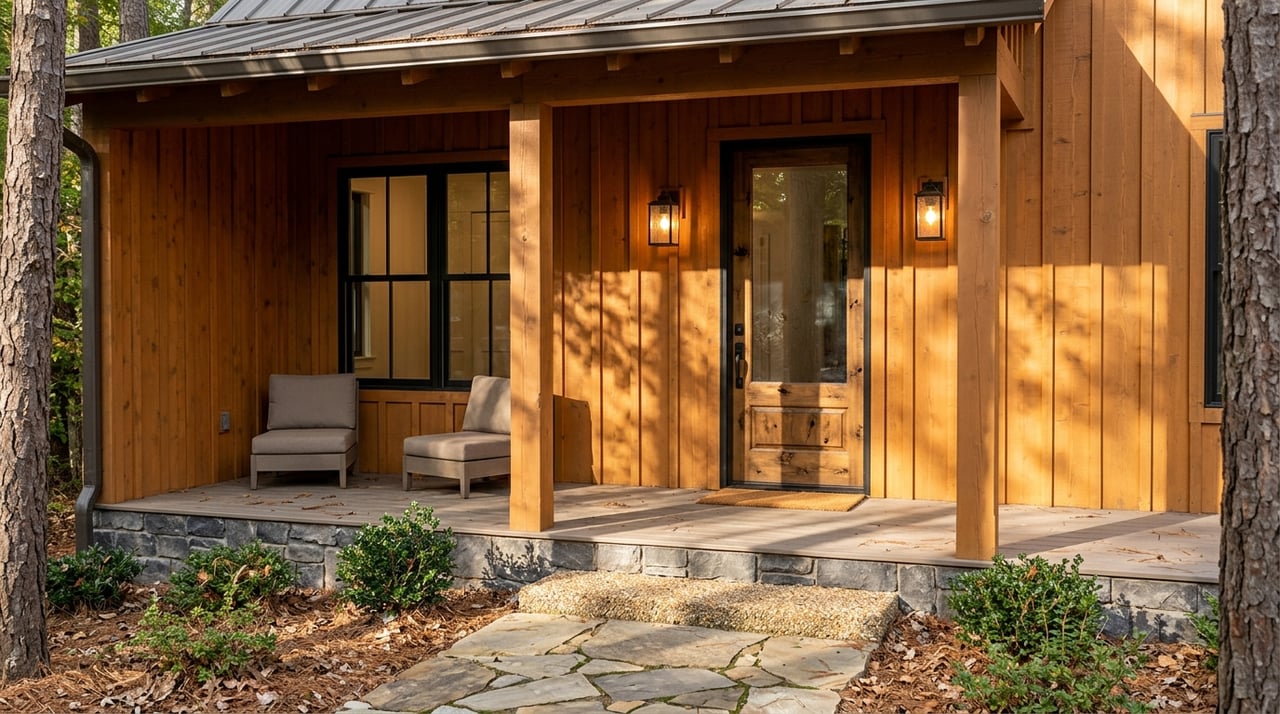
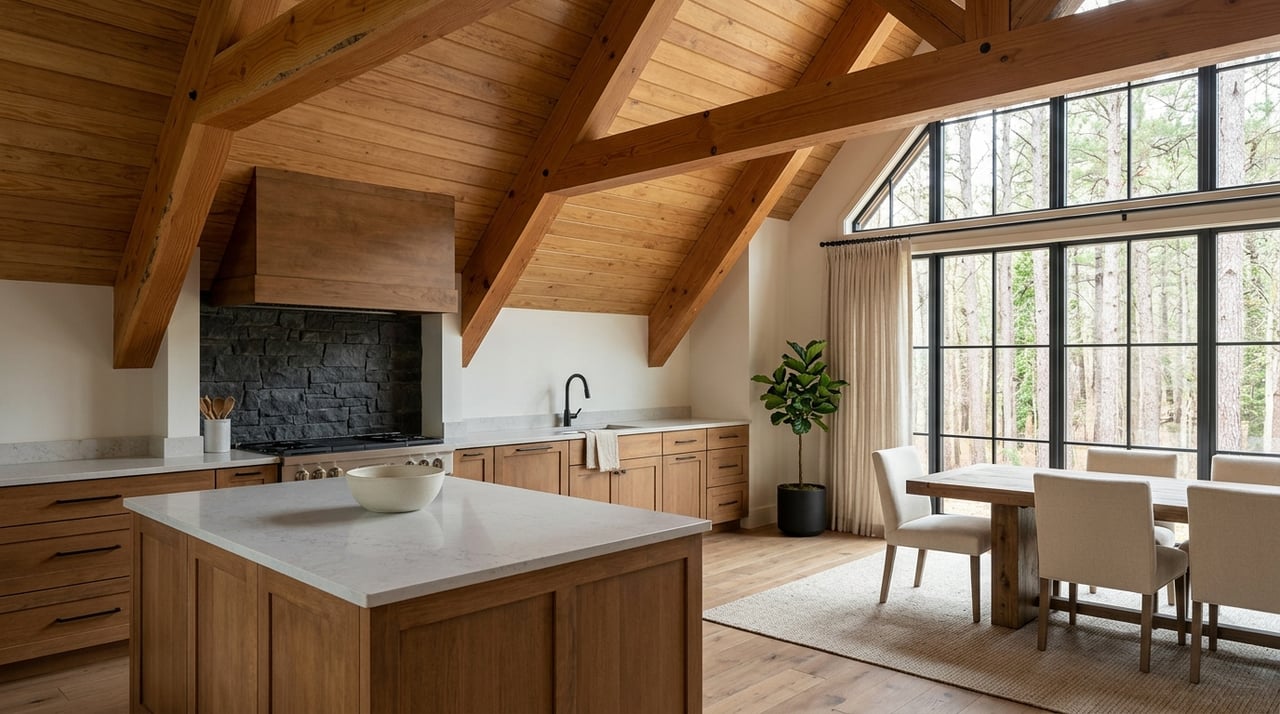
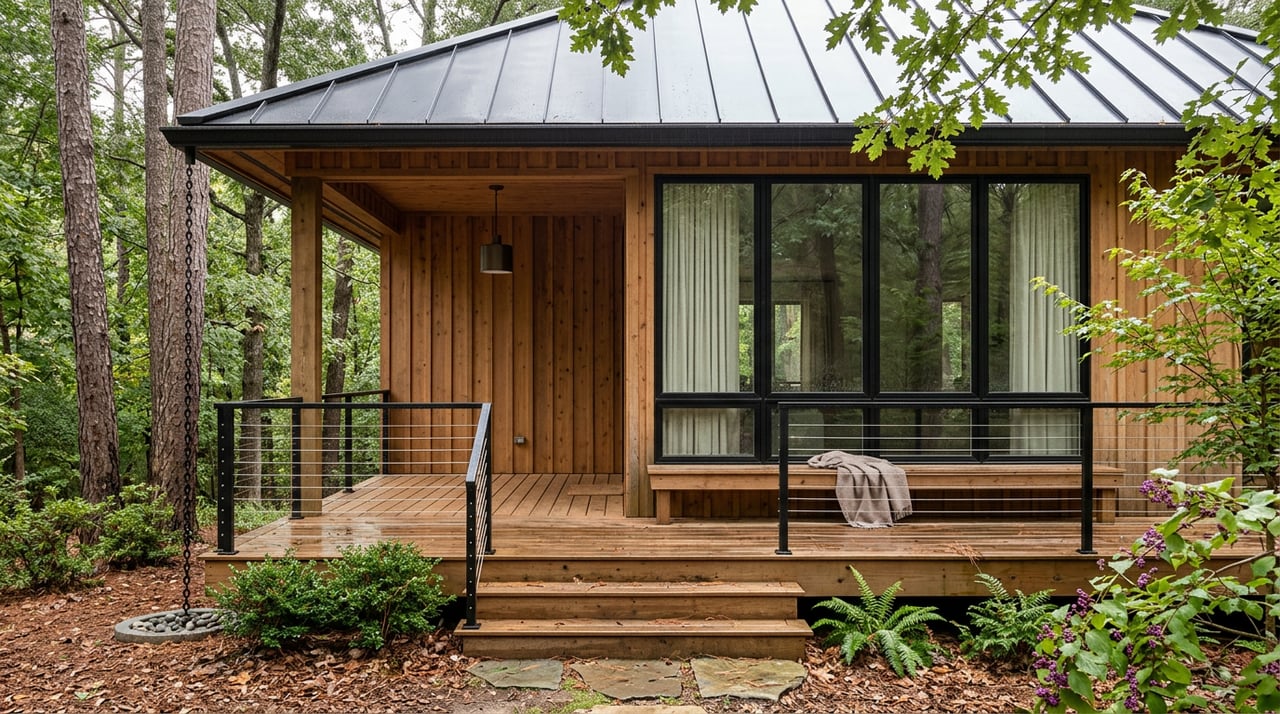
Broken Bow and Hochatown sit in a popular leisure corridor near Beavers Bend State Park and Broken Bow Lake. The area draws weekenders and families, and demand tends to spike in summer, fall foliage, and holiday periods. Because it is an established short-term rental market, you can evaluate real operating data and compare cabins across platforms.
When you plan a 1031 exchange, you want a market with proven bookings, transparent operating records, and local managers who understand compliance. Broken Bow offers all three, which helps you underwrite with confidence and stay within the 45 and 180 day windows.
1031 exchange basics you must hit
A 1031 exchange lets you defer capital gains taxes when you sell an investment property and buy like-kind real property held for business or investment.
What qualifies
- Real property held for productive use in a trade or business or for investment.
- Primary residences generally do not qualify unless they have been used as investment property.
- Personal property like furnishings is generally not eligible after 2017 changes. Work with your CPA on how to allocate between real property and personal property.
Deadlines that are non-negotiable
- Identification period: you have 45 days from the sale of your relinquished property to identify potential replacements in writing to your Qualified Intermediary.
- Exchange period: you have 180 days from the same sale date to acquire the replacement property. The 45 days run inside the 180 day window.
Identification rules
- Three-property rule: identify up to three properties regardless of total value.
- 200% rule: identify any number of properties if their combined value is no more than 200% of what you sold.
- 95% rule: if you go over the limits above, you must acquire at least 95% of the value you identified.
Role of the Qualified Intermediary (QI)
- A QI must hold sale proceeds and facilitate the exchange. You cannot have actual or constructive receipt of the funds.
- The QI prepares exchange documents, accepts your identification notice, and coordinates closings. Engage the QI before your Arkansas sale closes.
Boot and debt to watch
- To fully defer taxes, buy equal or greater value and replace equal or greater debt. If your debt or cash goes down, you may recognize taxable boot.
- Mortgage boot can occur if you reduce debt and do not offset with new borrowing or added cash.
Advanced structures
- Reverse or improvement exchanges can solve timing or renovation needs but add complexity and cost.
- Fractional options like Delaware Statutory Trusts or tenancy-in-common exist for diversification and passive ownership. Confirm suitability with your advisors.
Arkansas to Oklahoma: cross-state factors
Crossing the state line introduces new filings and local rules. Plan for them early.
State income tax filings
- As an Arkansas resident, your Oklahoma rental income is sourced to Oklahoma. Expect to file Oklahoma nonresident returns and pay Oklahoma tax on that income.
- Arkansas generally taxes residents on worldwide income and may allow a credit for taxes paid to other states. Confirm the mechanics with your CPA.
- Both states have broadly conformed to federal 1031 treatment historically, but reporting and local practices vary. Verify current rules with your tax advisor.
Withholding and compliance
- Some states require withholding for nonresident sellers or on certain distributions. Confirm any Arkansas or Oklahoma withholding rules with your CPA and QI before closing.
Property taxes and assessments
- Counties assess property taxes differently. Expect differences between Desha County and McCurtain County for rates, cycles, and exemptions. Ask the McCurtain County assessor’s office for parcel-level details during diligence.
Licensing and lodging taxes for STRs
- The Broken Bow/Hochatown area has local requirements for short-term rentals. Confirm business licensing, registration, occupancy limits, and zoning.
- Plan for lodging or transient occupancy taxes at state, county, or municipal levels. Many managers collect and remit these, but you remain responsible for compliance.
Insurance and risk
- Cabins in forested or lake-adjacent areas need tailored coverage. Obtain quotes for property, liability, business-use endorsements, flood if in a FEMA zone, and wildfire risk where applicable.
Title, lending, and closing logistics
- Your deed and mortgage will be recorded in McCurtain County. Title fees, lender requirements, and appraisal standards can differ from Arkansas.
- Lenders often apply deeper underwriting for short-term rentals and out-of-state borrowers. Start early so you can meet the 45 and 180 day timelines.
What to request for each Broken Bow cabin
Request full, verifiable records so you can underwrite with accuracy and close on time.
- Rent roll and reservation calendar for at least 12 months, ideally 24 to 36 months
- Monthly gross rental revenue for the last 12 to 36 months
- Profit and Loss statements with supporting bank statements
- ADR and occupancy by month
- Channel mix and fees across Airbnb, Vrbo, and direct bookings
- Cleaning fee schedules and who collects them
- Guest reviews and history of cancellations or disputes
- Current management agreement, scope of services, and termination terms
- Utility bills for 12 months and any HOA documents and rules
- Septic and well inspection records and recent service history
- Insurance loss runs for the past 3 to 5 years
- Title commitment, survey, easements, and any encumbrances
- Recent inspection reports and property condition disclosure
- Capital expenses and upcoming replacements for major systems
- Vendor and service contracts, including linens, landscaping, and cleaning
- Evidence of occupancy tax registration and recent remittances
- Appraisal or broker price opinion with comparable sales
How to build a realistic revenue model
Your model should reflect seasonality, management costs, and reserves.
Demand drivers and seasonality
- Broken Bow/Hochatown is a leisure destination with peak seasons in summer, fall foliage, and holidays. Shoulder periods vary, which affects occupancy and rates.
- Review booking lead times and cancellation trends so you can forecast cash flow.
KPIs to analyze
- ADR, occupancy, and RevPAR if available
- Average length of stay and distribution by booking channel
- Monthly gross revenue and NOI for at least the last 12 months
- Booking calendar detail, including future reservations and cancellations
Operating expenses and reserves
- Management fees can vary widely based on services provided. Understand exactly what is included.
- Budget for cleaning, utilities, supplies, pest control, landscaping, snow removal if relevant, and lodging tax remittance.
- Reserve for capital items like roof, HVAC, septic, decking, and hot tub replacements.
Management choices and impact
- Local property management is often essential for STRs. Evaluate response times, pricing, staffing depth, and compliance processes.
- Clarify owner responsibilities during guest stays and for emergency calls.
Your 45 and 180 day action plan
Stay organized and move early to protect your tax deferral.
Before your Arkansas sale closes
- Engage a Qualified Intermediary. The QI must be in place before closing.
- Meet with a CPA experienced in multi-state exchanges to map state filings, basis allocation, and potential boot.
- Speak with lenders that finance Oklahoma STR cabins for out-of-state borrowers. Confirm appraisal timing and underwriting needs.
- Define your investment criteria, including price range, NOI target, and management preference.
During the 45 day identification window
- Build a prioritized list of three to five replacement cabins using the three-property, 200 percent, or 95 percent rules.
- Submit your identification in writing to your QI by day 45. Include backups within the rules.
- Order inspections and verify operating data for your top choices right away.
- Coordinate with your lender and title team so you can close within 180 days.
Closing and after
- Confirm deed and closing documents align with the exchange structure and are coordinated through the QI.
- Replace equal or greater debt or add cash as needed to avoid mortgage boot.
- Post-closing, onboard property management, register for occupancy taxes, update insurance for STR use, and set up systems for accounting and reporting.
Common pitfalls to avoid
- Waiting to hire a QI until after closing. That can kill the exchange.
- Missing the 45 day identification or the 180 day closing deadline. There are no extensions for most taxpayers.
- Ignoring personal property allocations. Furnishings are generally not eligible and may create taxable boot if not handled correctly.
- Underestimating management and compliance needs. Local registration, lodging tax remittance, and safety requirements affect your NOI.
- Assuming Arkansas-only tax treatment. Oklahoma filings and taxes apply to Oklahoma-sourced rental income.
How Dawn Hibben helps Arkansas investors exchange with confidence
You want a broker who pairs local STR expertise with transaction discipline. That is where Dawn’s boutique approach shines.
- Curated cabin options in Broken Bow and Hochatown that align with your price, NOI, and management goals
- Pre-screened seller documentation so you can underwrite quickly and accurately
- Coordination with QIs, title, lenders, inspectors, and managers to keep your timeline on track
- Guidance on market seasonality, ADR and occupancy trends, and operational best practices
- Premium marketing and national syndication for clients who need to sell and buy as part of a portfolio strategy
Ready to explore on- and off-market cabins and map your 1031 path from Arkansas to Oklahoma? Schedule a conversation with Dawn Hibben to start your curated search and timeline planning.
FAQs
Can I exchange an Arkansas investment property into a Broken Bow cabin?
- Generally yes if both properties are like-kind real property held for investment or business use. Confirm local STR compliance and state filings with your CPA.
What are the key 1031 deadlines I must meet?
- You must identify replacement properties within 45 days and complete the purchase within 180 days from the sale of your relinquished property.
How many cabins can I identify during my exchange?
- You can identify up to three properties, or use the 200 percent rule to name more if their total value does not exceed 200 percent of what you sold.
Will I have to file taxes in Oklahoma as an Arkansas resident owner?
- Yes, rental income from your Oklahoma cabin is Oklahoma-sourced, so expect to file an Oklahoma nonresident return. Arkansas may allow a credit for taxes paid to other states.
Do furnishings in a cabin qualify for 1031 treatment?
- Generally no. Furnishings and other personal property are usually not eligible and may be treated as taxable boot. Have your purchase agreement allocate values and consult your CPA.
What documents should I request from a Broken Bow seller?
- Ask for rent rolls, booking calendars, monthly revenue, P&Ls, ADR and occupancy by month, management agreements, utility and service histories, inspections, title commitments, and evidence of lodging tax compliance.