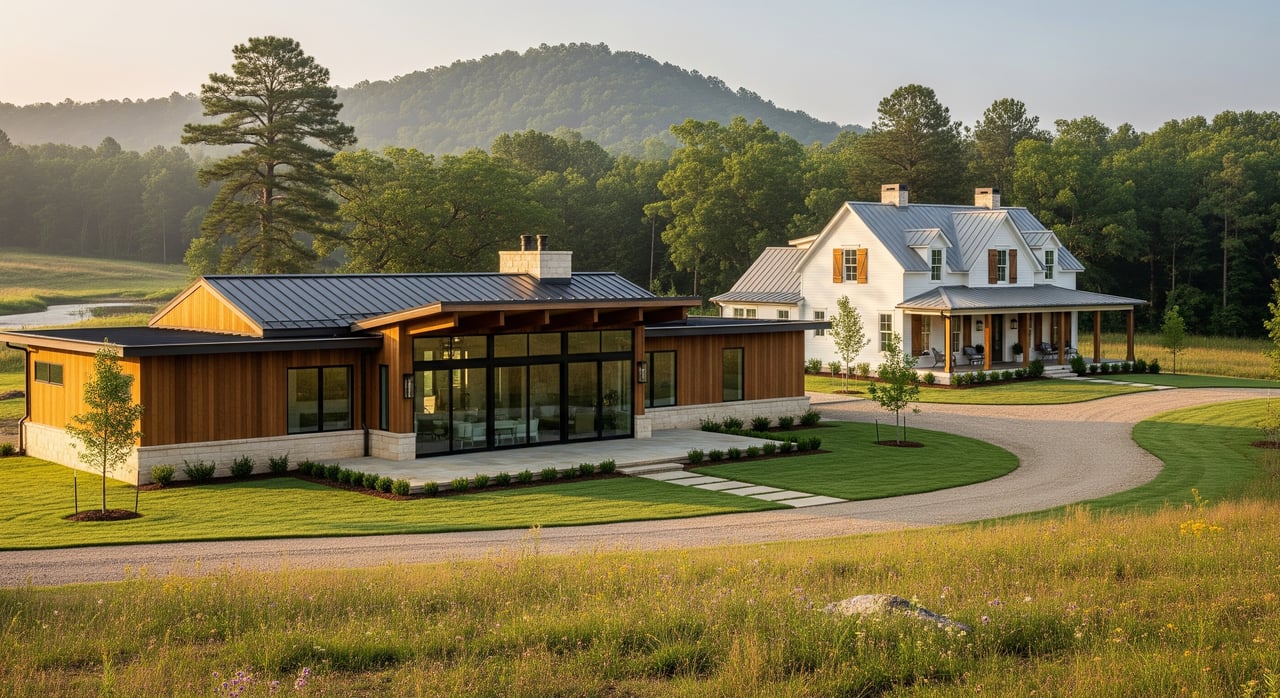
Antlers Cabin New vs Resale: Which Investment Fits You?
Building a new cabin or buying a turnkey one near Antlers can feel like two very different bets. You want reliable cash flow, manageable risk, and a clear plan for short-term rental success. In this guide, you will compare timelines, cost drivers, warranties, furnishing plans, and lease-up expectations tailored to Pushmataha County. By the end, you will know which path fits your goals and how to move forward with confidence. Let’s dive in.
Antlers and greater Pushmataha County are rural, recreation-focused areas. Short-term rental demand is tied to outdoor activities, hunting seasons, state forests, and weekend travelers from nearby metros. Expect more seasonal swings than in city markets, which should be reflected in your revenue model.
Local infrastructure matters. Many parcels rely on wells and septic, road access can vary, and broadband may be limited in some areas. Each factor can affect both development cost and guest appeal. Before you commit, confirm permitting, utilities, and any floodplain or easement constraints with county offices and the local health department.
To validate demand, review STR analytics for occupancy and daily rates and speak with local property managers. Studying comparable listings and their calendars will give you a realistic read on pricing, seasonality, and guest expectations.
From raw land to first booking, a simple cabin usually takes 5 to 12 months. This includes land due diligence, permitting, site work, framing, rough-ins, finishes, inspections, and a certificate of occupancy. Furnishing and staging add another 1 to 4 weeks but can overlap final finishes. If you build in a development with utilities in place, the total schedule can shorten to about 3 to 6 months.
A turnkey cabin can produce revenue much faster. With a standard financed purchase, expect 30 to 60 days to close, and days to a few weeks for minor prep and listing setup. If the property is already furnished and permitted, you can start bookings right after closing. Typical time to first revenue ranges from days to 8 weeks.
If speed to cash flow is your top priority, resale is the winner. If you want custom features that can support premium rates and reviews, new construction offers flexibility at the cost of a longer runway and higher carry.
Reputable builders often provide a structured warranty package. A common setup includes 1 year on workmanship and materials, 2 years on mechanical systems, and 10 years for major structural defects. Appliances, windows, roofing, and HVAC typically have manufacturer warranties.
For investors, these warranties reduce early repair surprises and help minimize downtime during the first few years. Confirm terms for STR use, since some warranties differ for short-term lodging. For resale, you may inherit manufacturer coverage if transferable, but most workmanship and structural warranties will have expired. A thorough inspection and service records review are essential.
A basic STR setup can be completed in 1 to 2 weeks if items are in stock. Professional staging and a higher-end package typically takes 2 to 6 weeks. In rural Oklahoma, allow for longer lead times for furniture and appliances.
To go live smoothly, plan these elements:
For new construction, coordinate furniture orders with finish dates to avoid delays. For turnkey resale, request an inventory list so you know exactly what conveys.
Run occupancy and rate scenarios using conservative, likely, and optimistic cases. Study comparable cabins for seasonal patterns and minimum-stay rules. Resale that is already permit-ready and well-staged can grab bookings quickly. New cabins can enjoy a new listing premium once live, but build delays and setup time push out cash flow and increase carry. Model 3 to 5 years for stabilization, and track RevPAR trends across seasons.
New systems, up-to-date codes, and purpose-built STR layouts reduce immediate maintenance and emergency repairs. Features like gear storage, mudrooms, and efficient mechanicals can improve reviews and operating costs.
Older systems and deferred maintenance can hide behind fresh paint. Plan for a comprehensive inspection and budget for upgrades that meet guest expectations. If renovations are needed, include downtime in your model.
Both paths share ongoing expenses: management fees, cleaning, utilities, septic pumping, landscaping, road or HOA maintenance, and insurance tailored for STRs. Verify that your policy explicitly allows short-term rentals.
In rural settings, wells, septic systems, driveways, and access roads can fail or require improvements. Severe weather can affect roofs and utilities. Keep reserves and a repair plan to protect uptime.
Before you choose, gather this data:
If you prioritize speed to revenue and simpler financing, a turnkey resale is likely your best fit. It lets you capture seasonal demand sooner and reduces carry risk.
If you want tailored design, modern systems, and features that can support premium rates, a new build can be compelling. Budget for longer timelines, construction contingency, and interest carry until launch.
If you want a balanced approach, consider a high-quality resale you can lightly refresh. Target quick wins like improved photography, amenity upgrades, and professional staging to lift ADR and reviews without major downtime.
Ready to compare real opportunities near Antlers and map a plan to cash flow? Schedule a consultation with Dawn Hibben to review on- and off-market options, builder introductions, and STR performance benchmarks.
Stay up to date on the latest real estate trends.
Get assistance in determining current property value, crafting a competitive offer, writing and negotiating a contract, and much more. Contact her today.